Welcome to diabetes health. Online
Circulatory system
The circulatory system is a network of the heart, blood vessels, and blood that transports oxygen, nutrients, and hormones to the body's cells, while also removing waste products like carbon dioxide, dead cells and toxins.
Blood vessels
Blood vessels are a network of tube like structures that blood flows through. Blood transports oxygen and nutrients to tissues and organs while removing waste products. There are three main types of blood vessels arteries, veins and Capillaries.
What is the connection between diabetes and the blood and blood vessel structures?
People with diabetes produce more platelets, and some of these platelets are released before they are fully mature. Immature platelets are larger than mature platelets, and they are more likely to clump together and form clots. High blood pressure increases the force of blood through your arteries and can damage artery walls. Having both high blood pressure and diabetes can greatly increase your risk of heart disease.
Nutrients necessary for the homeostasis of the circulatory system
Nutrients necessary for the blood vessels to remain in homeostasis are Protein, copper, zinc, manganese, vitamin C, proline, glycine, and Hydroxyproline.
What is cholesterol?
Cholesterol is a waxy, fat-like substance that performs diverse and crucial functions in the body. It aids in maintaining cell structure and fluidity. It is a vital component in forming protective layers that control what can enter and exit cells. Cholesterol is a key component in the production of certain hormones such as steroid hormones, sex hormones, and vitamin D. Cholesterol is a one of the components of bile salts, which as an end result helps the body to absorb fat-soluble vitamins like A, D, E, and K. Cholesterol increases the body’s ability to efficiently metabolize nutrients.
What are the negatives of cholesterol?
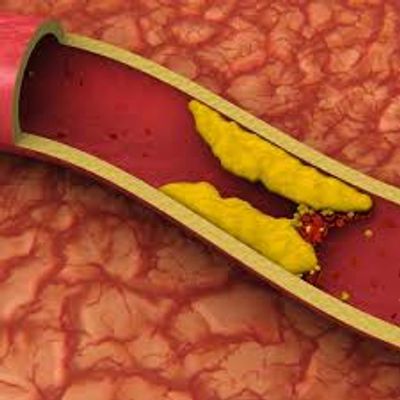
There are 3 varieties of cholesterol Low-density lipoprotein (LDL), Very low-density lipoprotein (VLDL) and High-density lipoprotein (HDL). The body produces low-density lipoprotein (LDL) cholesterol by metabolizing very low-density lipoprotein (VLDL). VLDL is created in the liver. Lipoprotein lipase (LPL) metabolizes VLDL into intermediate-density lipoprotein (IDL). Hepatic triglyceride lipase (HTGL) converts IDL into LDL. LDL is referred to as bad cholesterol due to it being linked to the buildup of plaque in the arteries. Plaques clog arteries, increasing your chances of blood clot formation, and can lead to heart attacks and strokes among other negative health outcomes. Another health issue with plaque is that the clogged arteries slow down the oxygen transport and nutrient transport to the whole body.
What nutrients are necessary to lower cholesterol?
Nutrients necessary to lower cholesterol are bromelain, Omega 3 fatty acid, alpha-linolenic acid, fiber, vitamin K2, Niacin, Antioxidants, Magnesium, Lycopene will help lower cholesterol.
Breaking up plaque
What is plaque?
Atherosclerosis or hardening of the arteries is caused by a buildup of plaque in the inner lining of an artery. Arterial plaque is made up of cholesterol, fat, calcium, cellular waste and fibrin.
Nutrients necessary to break up plaque.
Nutrients used to clear plaque are Omega 3 fatty acids, alpha-linolenic acid, alpha lipoic acid, bromelain, Vitamin D and vitamin K2, Magnesium, Phytic acid.