Welcome to diabetes health. Online
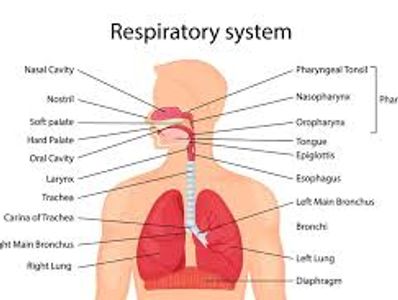
Respiratory system
The Upper respiratory tract is comprised of the nose, nasal cavity, sinuses, pharynx (throat). The lower respiratory tract is comprised of the Larynx (voice box), trachea (windpipe), bronchi (bronchial tubes), Lungs, bronchioles, alveoli (air sacs within the lungs) You also have muscles and blood vessels that support your respiratory system, and ribs to protect them. The main function of your respiratory system is to pull in oxygen for your body’s cells and get rid of carbon dioxide, a waste product. You do this by breathing in and out and through gas exchange between the small air sacs of your lungs (alveoli) and the blood vessels running nearby. In addition your respiratory system also warms the air you breathe to match your body's temperature. It moisturizes the air to bring it to the humidity level your body needs. Your respiratory system also Protects your body from particles you breathe in. Parts of your respiratory system can block harmful germs and irritants from getting in — or push them out if they do get in. Goblet cells in the lining of the airways secrete mucus, a sticky substance that traps particles. Tiny hair-like structures called cilia using a wave-like motions push the mucus upwards towards the throat, where it can be coughed up and spit out or swallowed. The respiratory system Allows you to talk. The air you breathe in vibrates your vocal cords, which makes sounds. It Helps you smell. Breathing in air moves its molecules past your olfactory nerve, which sends messages to your brain about the way something smells. This is for both safety and enjoyment. You can smell smoke or your favorite meal. It Balances the level of ph in your body. Too much carbon dioxide lowers your blood’s pH, making it acidic. By removing carbon dioxide, your respiratory system helps maintain the acid-alkaline balance in your body.
The lower respiratory tract is made up of the Larynx (voice box), trachea (windpipe), bronchi (bronchial tubes), Lungs, bronchioles and alveoli (air sacs within the lungs). the lower respiratory system is primarily made up of type I and type II pneumocytes (alveolar cells), which line the alveoli, along with ciliated epithelial cells in the larger airways like the trachea and bronchi, and occasional goblet cells that produce mucus to trap debris; these cells collectively form the respiratory epithelium.
How does diabetes affect the respiratory tract
Upper respiratory tract
High blood sugar levels can suppress the immune response, making it harder for the body to combat infections in the upper respiratory tract. Diabetes can lead to chronic inflammation throughout the body, including in the sinus cavities, which can exacerbate symptoms of sinusitis. Poorly controlled diabetes can cause dry mouth and nasal passages, creating a favorable environment for bacteria to grow. Diabetic neuropathy (nerve damage) can affect the nerves in the throat and sinuses, leading to altered sensation and difficulty swallowing. Potential upper respiratory complications in people with diabetes are Frequent sinus infections, Colds can be more severe and last longer in individuals with diabetes, Inflammation of the larynx (voice box) can occur more often in diabetic patients and Nerve damage related to diabetes can sometimes affect swallowing function.
Lower respiratory tract
High blood sugar can lead to inflammation, and oxidative stress. Patients with diabetes mellitus (DM) are more likely to develop many types of infections, which affect the transport of glucose into tissues. Diabetes is also responsible for a 20% drop in lung capacity and function. Due to this action people with diabetes are at a much higher risk for developing lung diseases such as obstructive sleep apnea (OSA), asthma, chronic obstructive pulmonary disease (COPD). High blood sugar levels can cause platelets to become more reactive thus causing pulmonary fibrosis. PF is an interstitial lung disease that causes inflammation and scarring around the air sacs in the lungs. Symptoms include shortness of breath and dry cough. Along with lung diseases diabetics are at a much higher risk of developing respiratory infections such as colds, bronchitis and pneumonia. Diabetic ketoacidosis (DKA) can cause electrolyte depletion, which can affect the respiratory muscles and lead to acute respiratory failure.
Nutrients necessary to keep the respiratory tract in homeostasis
upper respiratory tract
Nutrients that keep the upper respiratory tract in homeostasis are vitamins A, C, D, E, zinc, selenium, and omega-3 fatty acids, alpha-linolenic acid.
Lower respiratory tract
Nutrients necessary to keep the lower respiratory tract in homeostasis are Fiber, Omega-3 fatty acids, alpha-linolenic acid, Vitamin D (calciferol), Vitamin E (Tocopherol), Magnesium, Carotenoids, hydration.
Nutrients necessary to keep the lower respiratory tract in homeostasis
Nutrients necessary to keep the lower respiratory tract in homeostasis are Fiber, Omega-3 fatty acids, alpha-linolenic acid, Vitamin D (calciferol), Vitamin E (Tocopherol), Magnesium, Carotenoids, hydration.