Welcome to diabetes health. Online
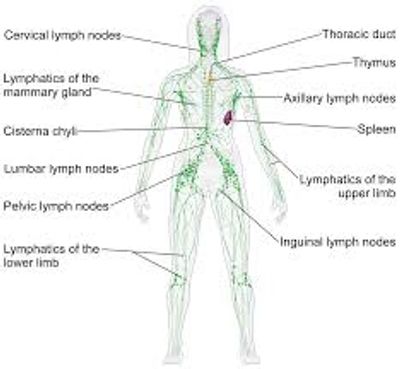
Lymphatic system
The lymphatic system or lymphoid system is part of the immune system and works in conjunction with the circulatory system. It produces and releases lymphocytes (a type of white blood cell) and other immune cells. These cells look for and destroy invaders such as bacteria, viruses, parasites and fungi that may enter your body and remove them through the use of the circulatory system. The lymphatic system also removes waste, toxins and abnormal cells. It consists of a large network of lymphatic vessels, lymph nodes, lymphoid organs and lymph fluid. Lymph fluid is a clear fluid carried by the lymphatic vessels back to the heart for re-circulation.
Lymphatic vessels
Lymphatic vessels, also known as lymph vessels, are thin tubes that collect lymph, a clear fluid, from the body's tissues and return it to the bloodstream. Lymphatic vessels carry waste products, germs, and damaged cells away from the body's tissues.
Lymph nodes
Lymph nodes function as filters in the body's immune system, trapping and destroying foreign substances like bacteria, viruses, and cancer cells that travel through the lymphatic fluid, essentially cleaning the fluid and helping the body fight infection by containing white blood cells called lymphocytes within them; they are essentially small "waste treatment centers" located throughout the body.
Bone marrow
Bone marrow resides inside bones and are a sponge-like tissue. At birth, many bones contain red bone marrow. This type of bone marrow actively creates white blood cells or leukocytes. After they are created, they multiply and then move on to other organs utilizing the blood stream.
Thymus
Your thymus is a small gland in the lymphatic system that makes and trains special white blood cells called T-cells. The T-cells help your immune system fight disease and infection. Your thymus gland produces most of your T-cells before birth. The rest are made in childhood and you’ll have all the T-cells you need for life by the time you hit puberty.
Spleen
The spleen is part of the lymphatic system, which is part of the body's immune system. The spleen is an organ located in the upper left side of the abdomen, under the ribs, and above the stomach. It is about the size of a fist.
Tonsils
The purpose of tonsils is to act as a first line of defense in the immune system, trapping and fighting pathogens like bacteria and viruses that enter the body through the mouth and nose. They are strategic immune organs that contain white blood cells and produce antibodies to help the body fight off infections.
Lymph fluid
Lymph fluid, also known as lymphatic fluid, is made up of White blood cells, also known as lymphocytes, these cells fight infections by attacking the invaders such as bacteria, virus, fungi and parasites in the body's tissues and blood. Lymph fluid also carries nutrients such as vitamins, minerals, salts, proteins and fats, cellular debris such as damaged cells, cancer cells.
What are the effects of diabetes on the lymph system
Lymphatic vessels
Diabetes can significantly impact the lymphatic vessels by causing them to become more permeable or "leaky". This is due in part to impaired nitric oxide signaling, leading to potential fluid buildup in tissues. Permeable lymphatic vessels can contribute to swelling and lymphedema, especially in the extremities.
Lymph nodes
Diabetes can negatively affect the lymph nodes by causing them to become less efficient at filtering out foreign substances due to impaired lymphatic vessel function, leading to potential swelling and increased susceptibility to infections, particularly when blood sugar levels are poorly controlled; research indicates that diabetic individuals may experience increased lymph flow and decreased uptake of substances into the lymph nodes, potentially due to issues with lymphatic vessel permeability and nitric oxide signaling.
Bone marrow
Diabetes negatively affects the bone marrow by causing structural and molecular changes, leading to Bone marrow dysfunction which can contribute to multiorgan failure and impaired healing. High blood sugar levels cause an increase in fat cells (adipogenesis) and a decrease in stem cells, particularly bone marrow-resident vascular regenerative stem cells. Additionally, diabetes can damage blood vessels within the marrow, leading to reduced blood flow and oxygen supply, and can disrupt the ability of stem cells to be released into the bloodstream.
Thymus
Diabetes has a range of effects on the thymus, including shrinkage, reduced immune cell production, and inflammation. These changes can disrupt the immune system's ability to regulate itself, potentially leading to an increased risk of diabetes complications and exacerbating the disease itself
Spleen
Diabetes negatively affects the spleen by causing oxidative stress, inflammation, and structural changes that impair its immune function. These effects include reduced spleen weight, shrinkage of the white pulp (where immune cells are located), and decreased ability to produce antibodies. This can weaken the body's ability to fight infections, potentially increasing the risk of infections within the spleen.
Tonsils
Diabetes can negatively impact tonsils by making them more susceptible to infections and increasing the risk of complications. High blood sugar levels can impair the immune function of the tonsils and surrounding tissues, and patients with diabetes may face a higher risk of issues like peritonsillar abscesses and more complications after tonsillectomy. Additionally, chronic tonsillitis in diabetic patients can worsen metabolic control, which may be improved by tonsillectomy.
Lymph fluid
Diabetes can significantly affect the lymph fluid by causing increased permeability of lymphatic vessels, meaning the walls of the lymphatic vessels become "leaky," allowing too much fluid to escape and disrupting the normal transport of lymph fluid to the lymph nodes; this is primarily due to impaired nitric oxide signaling in the lymphatic vessels, which is crucial for maintaining their integrity in a healthy state.
What nutrients are needed to keep the lymph system in homeostasis
Lymphatic vessels
Nutrients necessary to maintain lymphatic vessel homeostasis are vitamin A, D, E, and K (fat-soluble vitamins), Vitamin C, B vitamins, fiber, and adequate hydration.
Lymph nodes
Necessary nutrients that keep lymph nodes in homeostasis are vitamins A, C, and E, antioxidants, omega-3 fatty acids, Alpha-linolenic acid, fiber, protein and water.
Bone marrow
Nutrients such as vitamin B12, folate, iron, vitamin D, vitamin A, and zinc are crucial for supporting the bone marrow's production of lymphocytes, which are key cells in the lymph system, thus aiding in maintaining its homeostasis; a balanced diet with these nutrients is vital for optimal immune function.
Thymus
Nutrients that significantly aid the thymus in maintaining lymph system homeostasis include vitamin A, vitamin B6 (pyridoxine), zinc, selenium, and vitamin C; these nutrients are crucial for proper T-cell development and function within the thymus, which is key to a healthy immune system and lymphatic system balance.
Spleen
Nutrients that particularly support the spleen's function in maintaining lymph system homeostasis include vitamin D, zinc, iron, protein, and certain antioxidants found in fruits and vegetables like vitamin C and E; these nutrients play a role in supporting healthy immune cell production and function within the spleen, which is crucial for filtering blood and combating pathogens in the lymphatic system.
Tonsils
To keep tonsils healthy, focus on a diet rich in protein, vitamin C, zinc, and vitamin D, as these support the immune system and tissue repair. When recovering from or dealing with irritation, soft foods like yogurt, scrambled eggs, and cooked vegetables are beneficial, while staying hydrated with plenty of fluids is crucial.
Lymph fluid
As with the rest of the lymph system vitamins A, C, and E, antioxidants, omega-3 fatty acids, Alpha-linolenic acid, fiber, protein and hydration are the most beneficial nutrients to keep the lymphatic fluid in homeostasis.